From Relationships to Intelligence: How AI Is Reshaping Investment Banking
What happens when generations of investor relationships fuse with artificial intelligence? US Capital Global is forging a new model for investment banking—one where technology supercharges institutional knowledge into scalable intelligence.
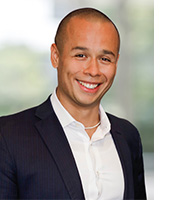 By Charles Towle, Co-Founder and Managing Partner, US Capital Global
For most of its history, investment banking and dealmaking have been built on relationships, clarity, judgment, and experience. These elements remain essential today and will only grow more valuable as experience deepens into wisdom. Yet the scale and complexity of global capital markets—combined with volatility and speed—are increasingly requiring something more: the intelligent use of technology and data to amplify those human strengths.
At US Capital Global, we see this not as a distant future but as a present strategic priority. Over the past three decades, our firm has grown into a global financial group serving the middle market, with offices across four continents and clients worldwide. As our expansion accelerates, we believe the next stage of growth in investment banking will come from integrating and activating advanced technologies—particularly artificial intelligence—at the core of the business.
A Technology-Driven Evolution – With the Human in the Center
Investment banking has traditionally been difficult to scale, as it is a highly relationship-driven business. Much of the knowledge that drives transactions resides in the experience and personal networks of individual bankers, and the value of this organic energy continues to grow. Over time, firms accumulate vast institutional knowledge—transaction histories, insights into effective capital structures, deep investor relationships, reliable credit partnerships, and market intelligence. Yet much of this knowledge remains dispersed across systems or preserved only in the memories of those who built the relationships.
Human experience and judgment remain the soul of banking, whether in asset management or investment banking. At US Capital Global, we are focused on bringing that knowledge together. Rather than relying solely on third-party software platforms, we are building internal systems that leverage our proprietary data—our transaction history, investor relationships, and decades of structuring experience across industries and geographies. Artificial intelligence tools now make it possible to unlock this data in ways that were previously impractical.
Turning Institutional Wisdom into Applied Intelligence
Over nearly thirty years in the capital markets—with partners contributing more than a century of combined transaction experience—our firm has developed a deep network of private credit providers, asset-based lenders, family offices, and institutional investors supporting transactions from several million dollars to $500 million and beyond.
Many of these partners have navigated multiple economic cycles—from the global financial crisis to the pandemic—developing disciplined underwriting practices and resilient investment strategies. They bring reliability, balance-sheet strength, liquidity, and diversity of capital. The challenge today is not the absence of information, but how best to organize and use it to execute deal closings with optimal capital structures for the benefit of all stakeholders.
Advanced data science and AI now allow us to transform decades of institutional knowledge into a dynamic intelligence platform. Our bankers can analyze historical transactions, identify patterns, reconnect with long-standing partners, and surface relevant investor relationships based on geography, sector focus, and transaction characteristics.
In practical terms, a banker preparing meetings in Singapore, Dubai, or London can instantly identify investors who have previously participated in similar opportunities. Technology, in this sense, does not replace relationships—it strengthens them and augments bankers’ capabilities through the shared ecosystem of their peers within and beyond our network.
Expanding Our Technology Leadership
A key step in advancing this initiative has been the appointment of Cameron Cole as Chief Technology Officer at US Capital Global.
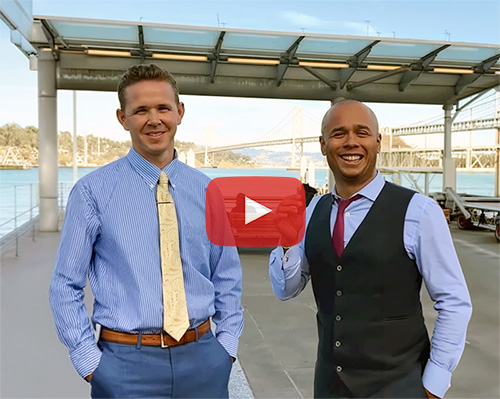
Cameron brings extensive experience applying artificial intelligence, data infrastructure, and advanced analytics within financial services. In his role, he will lead the integration of AI-driven systems designed to support banker productivity, enhance investor intelligence, and streamline transaction preparation across the firm’s global platform.
US Capital Global’s technology strategy is not centered on a single platform. Instead, the firm is building a flexible and scalable architecture capable of incorporating multiple AI systems and continuously evolving alongside advances in the technology landscape.
Scaling the Middle-Market Investment Bank
A key objective of this strategy is scalability while ensuring the human banker remains at the center—enhancing, rather than replacing, the relationship-driven nature of dealmaking. Investment banking has traditionally depended on highly skilled professionals managing complex relationships and transactions. While this model has proven highly effective, it can be difficult to expand without increasing operational complexity.
Advanced data systems now allow us to scale this relationship-based model while preserving its essential human character. By organizing and mapping our global investor network, bankers across our offices—from Palm Beach and Newport Beach to London, Zurich, Singapore, and beyond—can access the same institutional knowledge. Relationships developed decades ago by one banker can become a resource for the entire organization.
This shared intelligence enables our professionals to focus more of their time on high-value activities: engaging with clients, structuring transactions, and building long-term partnerships.
Technology and the Human Element
Despite rapid advances in artificial intelligence, investment banking will always remain a human business.
Relationships built over decades cannot be replaced by algorithms or machines. Investor confidence is earned, and deal execution is delivered through experience, trust, and personal engagement. This is a high-value industry that requires a human touch, even as it embraces the power of innovation.
Technology’s role is to support those relationships—making it easier to maintain connections, identify opportunities, and bring the right investors and partners together at the right time.
Looking Ahead
Technological change in financial services is accelerating rapidly, with new AI capabilities emerging almost daily. For firms willing to embrace innovation, this presents an opportunity to rethink how investment banking operates.
At US Capital Global, we believe the firms that succeed in the coming decade will combine deep financial expertise with advanced technological infrastructure. By integrating AI with our knowledge base, relationships, and global platform, we are building a more intelligent, efficient, and scalable model for investment banking.
The future of this industry will not belong to technology alone, nor to relationships alone, but to those who successfully bring the two together.
Charles Towle is Co-Founder and Managing Partner of US Capital Global (www.uscapital.com), a full-service global private financial group headquartered in San Francisco with primary offices in New York, Miami, London, Zurich, Dubai, and Singapore. With decades of experience in private capital markets, he works closely with founders, family offices, and institutional partners to structure and execute complex private credit and equity transactions worldwide.
 Download a PDF of this Press Release
Media Q&A / FAQs
What is this article about?
This article explains how US Capital Global is integrating artificial intelligence with decades of investor relationships, transaction history, and institutional knowledge to build a more intelligent and scalable model for investment banking.
What does “from relationships to intelligence” mean in this context?
The article argues that investment banking has traditionally depended on relationships, judgment, and experience, but that AI and data infrastructure can now help organize and activate that institutional knowledge more effectively across the firm.
Why is AI important to US Capital Global’s strategy?
The article states that AI is a present strategic priority for the firm, helping transform proprietary transaction data, investor relationships, and structuring experience into applied intelligence that supports banker productivity and transaction execution.
Does the article suggest AI will replace bankers or investor relationships?
No. The article explicitly states that investment banking will remain a human business and that technology is intended to strengthen relationships and augment bankers’ capabilities rather than replace trust, experience, and personal engagement.
What kinds of data and knowledge is the firm seeking to organize?
The article describes institutional knowledge including transaction histories, capital structure insights, investor relationships, credit partnerships, and market intelligence built over nearly three decades in the capital markets.
How does the article describe the practical use of AI for bankers?
The article explains that bankers can use AI-driven systems to analyze historical transactions, identify patterns, reconnect with long-standing partners, and surface relevant investors based on geography, sector focus, and transaction characteristics.
Who is leading this technology initiative?
The article states that Cameron Cole has been appointed Chief Technology Officer at US Capital Global and will lead the integration of AI-driven systems to support productivity, investor intelligence, and transaction preparation across the firm’s global platform.
What is US Capital Global’s technology approach?
The article states that the firm is not building around a single platform, but instead is creating a flexible and scalable architecture capable of incorporating multiple AI systems as technology continues to evolve.
How does this strategy support the firm’s global platform?
The article explains that by organizing and mapping its global investor network, bankers across offices in locations such as Palm Beach, Newport Beach, London, Zurich, Singapore, and elsewhere can access the same institutional knowledge and shared relationship intelligence.
What is the long-term view presented in the article?
The article argues that the most successful firms in the coming decade will be those that combine deep financial expertise with advanced technological infrastructure, bringing together human relationships and artificial intelligence rather than relying on either alone.