The Long Game: How Founders Build Institutions That Endure
Growth gets the headlines, but succession determines whether a founder’s legacy actually lasts. Charles Towle examines why the most resilient founder-led organizations are built on mentorship, long-term thinking, and deliberate leadership transitions.
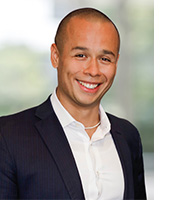 By Charles Towle, Co-Founder and Managing Partner, US Capital Global
Founders are the driving force of the private markets. They build operating companies, create capital, and shape institutions that often endure well beyond their direct involvement. At US Capital Global, nearly every transaction we work on is influenced by a founder’s vision and leadership style. Yet one of the most consequential responsibilities founders carry is ensuring that leadership continuity outlives any single individual.
In today’s economy, continuity planning is shaped by changes in how organizations operate. Technology has accelerated decision-making and concentrated responsibility, allowing leaders to remain closely involved as firms grow. These dynamics can be real strengths—but they also make long-term continuity an increasingly important part of institutional planning.
The Founder-Led Reality of Family Offices
Most family offices we work with are led by first-generation founders—entrepreneurs who built their wealth through operating businesses rather than inheritance. They tend to be decisive, engaged, and closely involved in both strategy and execution.
This founder-centric model brings speed and clarity, but it can also make transitions more complex. When leadership is highly centralized, succession cannot be left to chance. Industry studies suggest that many family offices are approaching leadership transitions, yet a significant number still lack formal succession or governance frameworks—creating potential risks for families, partners, and counterparties alike.
At the same time, we also work with multi-generational family offices led by entrepreneurial stewards pursuing strategic renewal. Figures such as Alfred Ford and Ulrich Maybach exemplify this approach. As a fourth-generation steward of the Maybach Foundation, Maybach is helping shape a path that connects heritage with mentorship, culture, craftsmanship, and long-term investment thinking—remaining active not only in philanthropy but also in technology ventures as an investor, mentor, and strategic advisor.
Two Partnership Models
Over time, founders tend to organize leadership in one of two ways.
The first is the peer partnership—two founders of the same generation building together as equals. When aligned, this model can be very effective. But without a clear continuity plan, it can leave an organization vulnerable if one partner exits unexpectedly.
The second model is the mentor–successor partnership. Here, experience is transferred deliberately, authority is shared gradually, and leadership evolves rather than changing abruptly. When mentorship becomes a core leadership responsibility, succession becomes an ongoing process rather than a single event, allowing institutions to preserve judgment, relationships, and institutional memory across generations.
An example is Jerry Rice, Pro Football Hall of Famer and chairman and co-founder of G.O.A.T. Fuel, who partnered with his daughter Jaqui Rice. Together they built G.O.A.T. Fuel as a family-owned beverage company, illustrating how a mentor–successor partnership can translate legacy and experience into a new generation of leadership.
The Founder’s Personal Transition
Succession is not just an organizational challenge—it is a personal one. Early success often requires intensity, control, and a visible seriousness of purpose. Those tools are essential when building something from the ground up.
Later-stage leadership calls for a different emphasis. Experience and judgment come to the fore, and leadership increasingly focuses on guidance rather than direct execution. The founder’s role evolves from day-to-day operator to long-term steward of the institution. Far from diminishing relevance, this evolution often represents the most durable form of leadership.
At the same time, successors face their own challenge. In many second- and third-generation family offices, the next generation must step into responsibility. Having grown up around success, they must develop the discipline required to sustain it. Both dynamics are part of the same cycle, and both require intention.
Old World and New World Approaches
Cultural context often shapes how founders approach succession. In regions with long traditions of multi-generational wealth, governance and transition planning tend to be culturally embedded, supported by trusted advisors and long-standing intermediaries who help maintain continuity across generations.
In newer wealth ecosystems—particularly those created rapidly by entrepreneurial founders—these structures often need to be built intentionally. Without them, organizations may struggle to adapt as leadership evolves. Succession rarely happens automatically; it must be designed.
For example, Ulrich Maybach, as a fourth-generation steward of the Maybach heritage, is actively extending that tradition into contemporary lifestyle ventures, including Maybach eyewear and apparel. He continues to explore new avenues that strengthen the brand while thoughtfully advancing the family legacy into the next generation.
A Multi-Generational Firm by Design
At US Capital Global, we think about succession not only for our clients but also for ourselves. That perspective is rooted in the long-term vision of our founder and chairman, Jeffrey Sweeney, who built the firm to endure across generations. More than two decades ago, he brought me on as co-founder, and together we developed a global platform designed for long-term continuity.
From the outset, the firm was not built around a single liquidity event or short-term horizon, but around institutional stewardship and durability. That long view resonates strongly with founders who care about legacy—focusing not on a one-time IPO-style outcome, but on creating ongoing liquidity opportunities for our families and partners over time.
Internally, we emphasize cross-generational collaboration. Younger professionals bring energy, technical fluency, and new perspectives. Seasoned professionals bring judgment, experience, and pattern recognition earned over decades. Too much of either creates imbalance; together, they form a stronger institution.
Founders who take the long view—who plan for continuity, cultivate successors, and embed governance into their culture—create institutions that endure. We see this repeatedly in organizations that invest early in people, judgment, and shared responsibility. In an era defined by constant change, endurance may be the most valuable outcome of all.
Charles Towle is COO and Managing Partner at US Capital Global, a full-service global private financial group. With decades of experience in private capital markets, he works closely with founders, family offices, and institutional partners to structure and execute complex private credit and equity transactions worldwide.
 Download a PDF of this Press Release
Media Q&A / FAQs
What is this article about?
This article, by Charles Towle, argues that while growth often gets the headlines, long-term endurance for founder-led organizations depends on succession planning, mentorship, and deliberate leadership transitions.
Why does succession matter for founder-led organizations?
The article explains that founders strongly influence strategy, culture, and decision-making, and that leadership continuity is one of the most consequential responsibilities founders carry if they want their legacy and institution to last beyond any single individual.
What is the “founder-led reality” described for family offices?
The article notes that many family offices are led by first-generation founders who built wealth through operating businesses. This founder-centric structure can bring speed and clarity, but it can also make leadership transitions more complex when decision-making is highly centralized.
What risks are mentioned if succession and governance are not formalized?
The article states that many family offices are approaching leadership transitions, yet many still lack formal succession or governance frameworks, which can create potential risks for families, partners, and counterparties.
What two partnership models does the article describe?
The article describes (1) a peer partnership model—two founders of the same generation building together—and (2) a mentor–successor partnership where experience is transferred deliberately, authority is shared gradually, and succession becomes an ongoing process.
What examples are used to illustrate multi-generational stewardship?
The article references multi-generational and mentor–successor examples including Ulrich Maybach and the Maybach Foundation, and describes an example of Jerry Rice partnering with his daughter Jaqui Rice in building G.O.A.T. Fuel.
What is meant by the founder’s “personal transition”?
The article suggests that founders often evolve from day-to-day operators to long-term stewards, shifting from direct execution to guidance and judgment as institutions mature and continuity becomes the priority.
How does cultural context affect succession planning?
The article contrasts “old world” multi-generational wealth traditions—where governance and transitions may be culturally embedded—with newer wealth ecosystems where succession frameworks often need to be built intentionally rather than assumed.
How does this perspective relate to US Capital Global?
The article states that US Capital Global was built with long-term continuity in mind and emphasizes cross-generational collaboration, combining younger professionals’ technical fluency and energy with seasoned professionals’ experience and judgment.
Who wrote this article and what is his role?
The article is written by Charles Towle, described as COO and Managing Partner at US Capital Global, with decades of experience in private capital markets working with founders, family offices, and institutional partners on private credit and equity transactions worldwide.